What is a dynamic energy contract?
Frequently asked questions
What is a dynamic energy contract? And why is it simply perfect if you have solar panels!
You've installed solar panels—what a fantastic choice! But do you have the right energy contract to truly get the most out of them?
Many solar panel owners still pay a fixed or variable price for the electricity they draw from the grid, even though their system produces plenty of power during the day to run the whole house. With a dynamic energy contract, you can play it much smarter: you pay the real market price for every 15-minute slot of the day, and that fluctuates far more than you might think!
In this article, we'll explain exactly what a dynamic energy contract is, how it works hand in hand with solar panels, and when it’s truly worth your while.
What is a dynamic energy contract?
With a traditional energy contract, you pay a fixed price per kilowatt-hour (kWh)—the exact same price day and night, summer and winter. That's nice and predictable, of course, but you miss out on those moments when electricity is ever so cheap!
A dynamic energy contract works differently: the price per kWh moves every hour along with the wholesale market (known as the EPEX SPOT market). At certain times—often in the middle of the day or on wonderfully sunny and windy days—the price drops to nearly zero or even turns negative! At other times, like early evenings when everyone needs power, the price goes up.
Simply put: you pay what electricity actually costs at that very moment. Nothing more, nothing less!
That might sound a bit adventurous, but for someone with solar panels, it's actually a brilliant opportunity. After all, you have control over when you use your energy!
What does a dynamic price look like in practice?
Every day, the energy market publishes the 15-minute prices for the following day via your energy supplier or an app. That way, you'll know in advance what electricity will cost in the morning, afternoon, and evening.
Here's an example of a typical day:
6am–8am: price rises (everyone’s waking up, putting the kettle on, and hopping in the shower)
10am–3pm: price drops sharply (the sun is shining bright and demand is low)
5pm–9pm: price peaks (everyone's back home, cooking dinner, watching telly, and running the washing machine)
10pm–5am: price stays low (very low demand, sometimes even negative!)
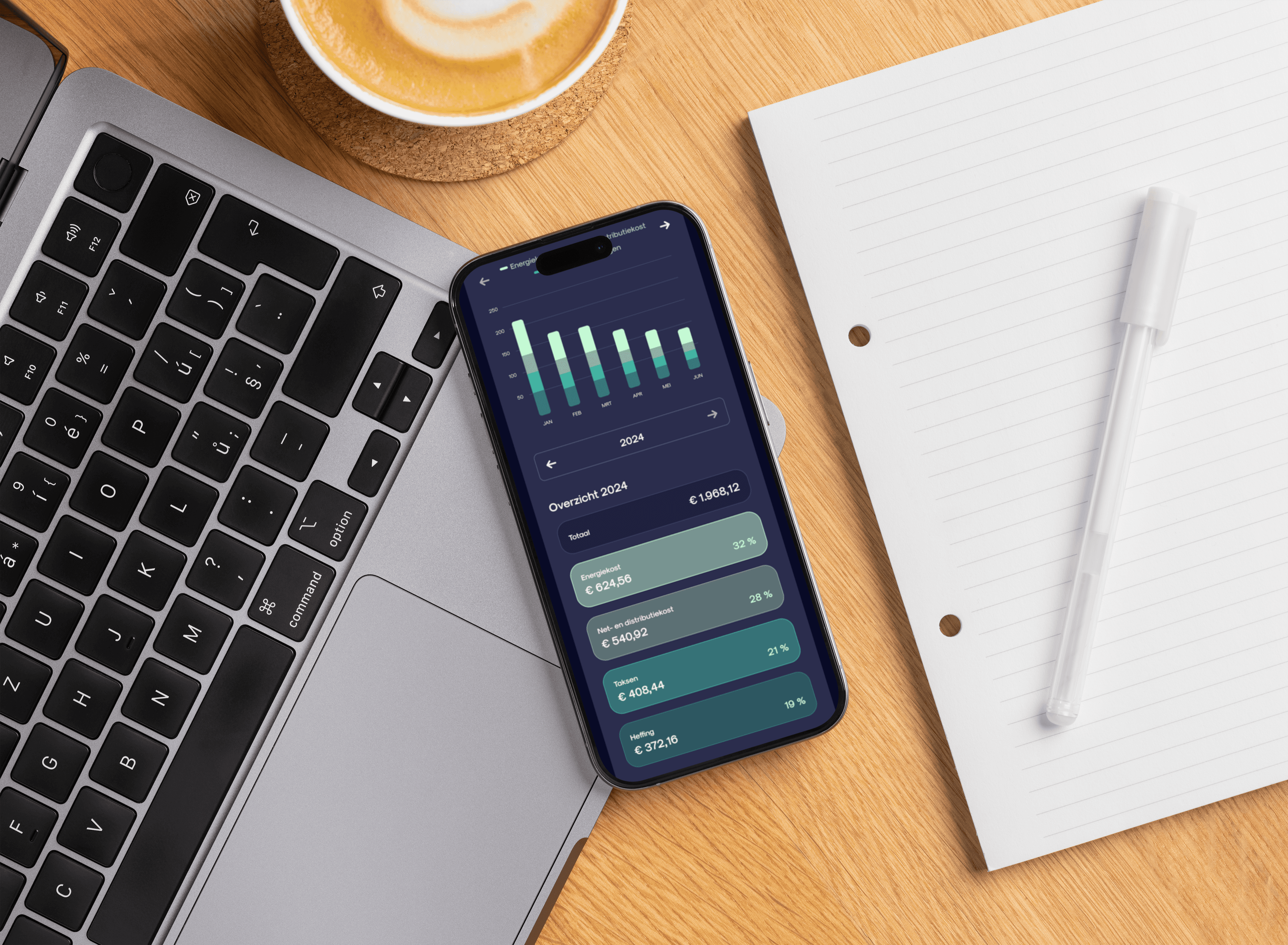
With a dynamic contract, you can easily match your energy use to these 15-minute rates. It doesn't have to be complicated at all—a handy smart app, like the one from Ecofix, lets you keep track of it effortlessly!
Why is this perfect if you have solar panels?
As a 'prosumer'—someone who both produces and consumes electricity—you already have one foot in the dynamic world! Your solar panels produce the most power during the day, right when wholesale prices are at their lowest. A dynamic contract helps you make the absolute most of that advantage.
1. Optimise your self-consumption
When your panels are working at full blast, use as much of that sunshine yourself: run the dishwasher, put on a load of laundry, or power your boiler and heat pump. Market prices are low at that same time, so even if you need a tiny bit extra from the grid, you're buying it at a great, cheap rate!
2. Manage your surplus smartly
Producing more than you can use? Then you can feed it back into the grid! With a dynamic contract, you know precisely which hour or 15-minute slot yields the best return—especially handy if you also have a home battery.
3. Shift flexible energy use
Driving an electric car? Simply shift your charging sessions to the night or the midday dip when electricity is at its cheapest!
Just imagine: avoid the evening peak between 6pm and 9pm and run your washing machine and dishwasher around lunchtime instead. Over a whole year, that can lead to some lovely savings—without sacrificing any comfort at all!
Do you need a smart meter?
Yes, you do! A dynamic energy contract requires a digital meter (also known as a smart meter). It measures your consumption per 15 minutes or per hour and sends the data straight to your supplier. Without a smart meter, bills simply can't be calculated using hourly rates.
In Flanders, the vast majority of households already have a smart meter, or have an installation scheduled soon. Not quite sure? Feel free to contact your network operator to check if your meter is already digital.
Is a dynamic contract right for you?
A dynamic contract isn't for everyone. It does ask for a little bit more involvement with your energy use. However, it's a fabulous match if:
you have solar panels (with or without a home battery)
you have an electric car that you charge at home
you have a heat pump or other large appliances you can easily schedule
you enjoy managing your budget smartly and keeping an eye on the market
you have a smart meter installed
If you don't have much flexibility in when you use energy, don't work from home, and find it tricky to shift your usage times, a standard variable contract might be a cosier fit.